



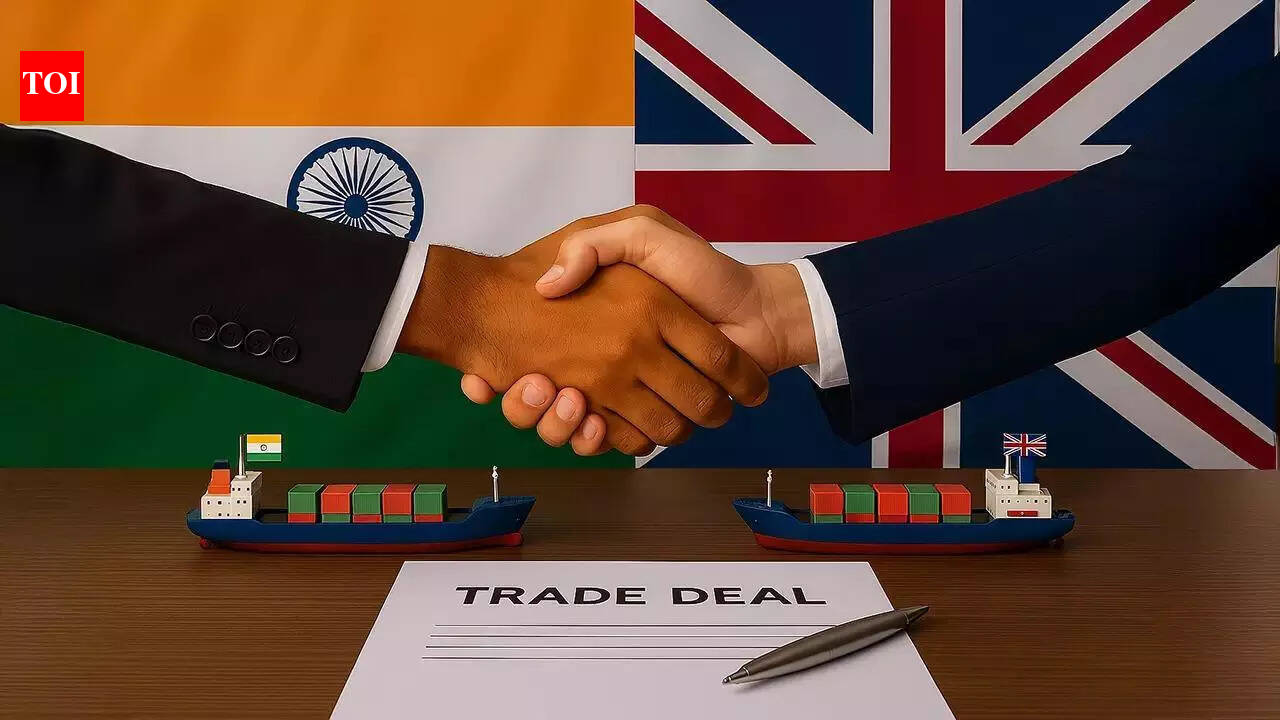
LONDON: A House of Lords select committee has criticized various aspects of the UK-India FTA, saying in order to get the agreement over the line, a number of UK interests were omitted.Whilst the report by the International Agreements Committee says that the FTA with India is “a significant achievement with a formidable negotiating partner”, historically known for protectionism, and notes it was negotiated against a challenging geopolitical backdrop, it concludes the agreement is heavily goods focused and does not liberalise trade in services significantly.The UK government did not conclude a bilateral investment treaty, or arrangements in relation to legal services, new market access for financial services, or final arrangements for mutual recognition of professional qualifications, and India did not get “as much on the mobility issues as it would have liked”, the report says.“We note that the benefits for UK exporters may take some time to materialize, on account of the phasing and quotas set out in the agreement. In contrast, many of the benefits for Indian exporters materialize immediately,” the report states.The Scottish Whiskey Association told the inquiry that the full benefits of the agreement are unlikely to be realized for “at least another decade”.The inquiry also heard that non-tariff barriers in India are “the elephant in the room”.“The provisions for financial services do little beyond locking in existing market access, and firms remain concerned about the lack of commitment to free cross-border data flows,” it states.William Bain, head of trade policy, British Chambers of Commerce, said that in the first stage of negotiations, conducted under the Conservatives, the UK government had “more actively” pursued new markets for services exports”, but this later got dropped.The report calls for an impact assessment on Indian workers and their employers being exempt from paying National Insurance for three years and questions whether UK workers who have contributed to the Employees Provident Fund will be eligible for a refund.It also criticizes the public procurement provisions for being limited to central govt entities and expresses concern that several covered entities do not use India’s e-procurement dashboard, posing a challenge to UK companies seeking to access tenders. The report is expected to be debated in the House of Lords in March.
