



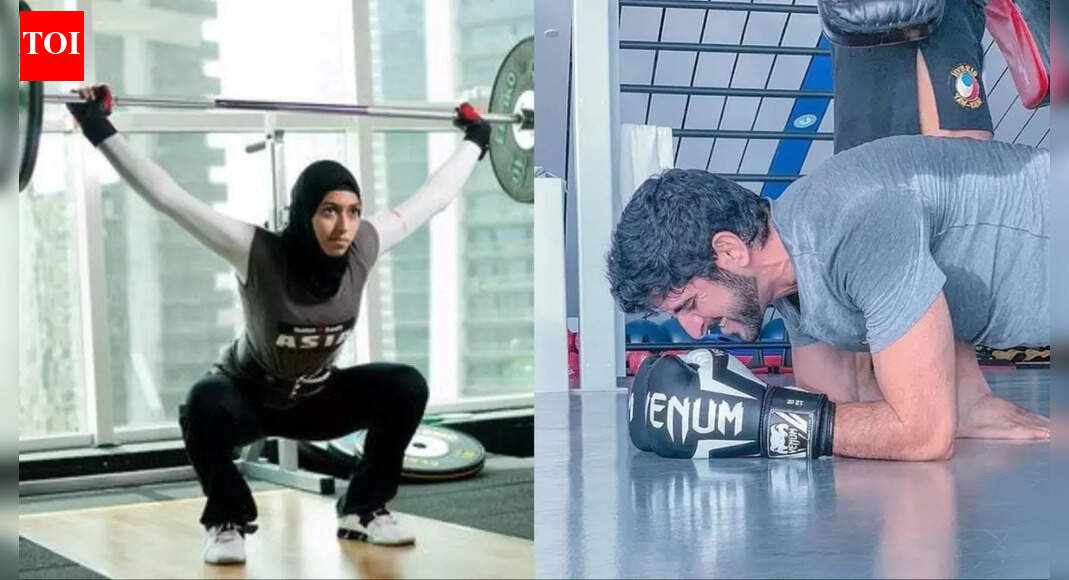
Are you a Muslim athlete training in Ramadan this February 2026 and wondering how will you compete while fasting from sunrise until sunset for 30 days? Whether it is world-class fighters, runners or team sport athletes, the art of performing while fasting is not only about their belief but strategy, timing and the science of doing things the right way.This balancing act has become an essential topic in sports science and new research is finally throwing light on the best ways to proceed when training hard on an empty stomach.
Ramadan does change the physiology but not always in negative ways
One of the major points to be noticed about fasting athletes is related to the implications of fasting with respect to food and water intake. A systematic review published in the Journal of Modern Social Sciences in 2025 suggested that while Ramadan fasting alters hydration and energy availability, its impact on anaerobic and aerobic performance is generally limited if athletes manage training, sleep and nutrition properly. The study concluded, “effects on endurance and strength may be improved with proper training and nutrition management” and emphasizes maintaining consistent training during Ramadan as part of an effective strategy. This corresponds with sports nutrition studies, which have found that intermittent fasting such as the Ramadan diet, can enable the body to adapt in a manner where it utilizes fat within its system with the help of spared carbohydrates.
Training timing and hydration: The key to performance
Based on research, fasting does not necessarily lead to reduced sports performance. Training sessions that take place after breaking the fast, that is, after iftar, show better results compared to training sessions conducted while fasting. This may be because water and nutrient consumption before and after training are essential for muscle and endurance recovery.
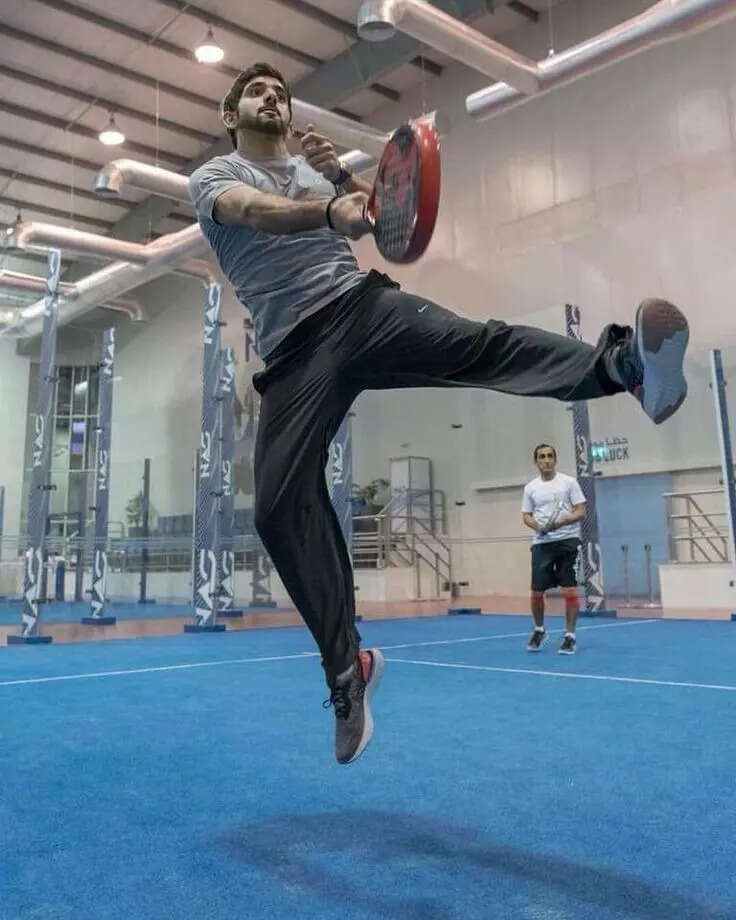
From Fighters to Runners: How Muslim Athletes Adjust Training During Ramadan
Such an approach is supported by athletes and coaches alike. In Dubai, martial arts competitors such as Bashayer Al Matrooshi and the national jiu-jitsu team of the UAE modify their schedules by training only after the iftar session, so that they refuel and hydrate before physically training.In many sports, the best athletes divide their trainings too with easy skill or activation exercises in the morning and strength or cardio trainings after sunset, when they can eat and drink normally.
Performance metrics: What the research shows
Contrary to common belief, several scientific investigations have found only modest performance drops or none at all when fasting athletes train smart. According to a 2007 study published in the Journal of Sports Science and Medicineanaerobic performance and recovery were not significantly impaired by Ramadan fasting in elite athletes, provided hydration and rest were optimized. Another 2012 meta-analysis in Nutrients indicates that while fasting may reduce muscle glycogen and blood glucose, which can affect perceived exertion, anaerobic power and endurance can remain stable with proper timing of meals and training. Research on swimmers and young athletes also suggests that performance differences are often minimal or balanced by shifts in training intensity and recovery periods. Taken together, these findings show that performance loss is not inevitable but training adaptation, hydration planning and sleep timing are the real deciding factors.
Hydration and sleep: Two overlooked giants
Fasting athletes are also susceptible to dehydration, in addition to food shortages. Since water is not taken for an entire day, it ends up becoming a big limiting factor, especially when training takes place in hotter environments. Two factors that have been widely observed to contribute to decreased performances in training in terms of balance, reaction time and energy levels include disturbed sleep and fluid restrictions.
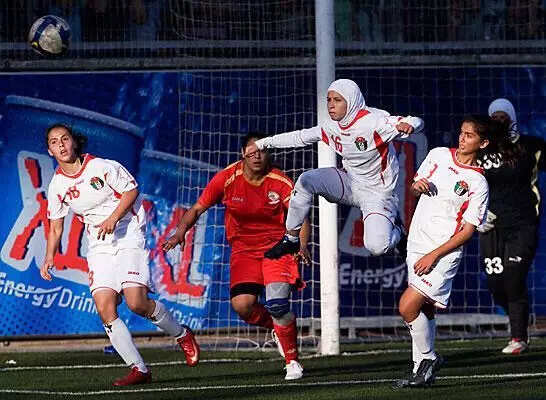
How World-Class Athletes Train, Eat and Sleep During Ramadan
This explains why many pros pay much attention to post-sunset hydration strategies, as some training programs are designed around the time slots for iftar and suhoor (pre-dawn meals), which are essentially the slots for hydration replenishment before the onset of the new day’s fast. Many teams now embrace the programs of hydration tracking, electrolyte replenishment and specific sleep timing to preserve performance while still observing the fast.
Real-world examples: Top athletes and their approaches
Across different sports, Muslim athletes have found creative solutions where many schedule intense strength and conditioning sessions after sunset, when food and water are allowed. Fighters and combat athletes often train late at night to maximize recovery and energy availability. Some endurance athletes adjust by tapering mileage during fasting hours and increasing intensity only in the evening. Even elite performers, including NBA star Hakeem Olajuwon and professional footballers, have revealed publicly how Ramadan fasting didn’t stop them from competing instead, in some cases, even sharpened their focus, discipline and mental resilience. Runners like Sifan Hassan and rowers like Mohamed Sbihi shift workouts to the non-fasting windows of the day. Top athletes conquer Ramadan fasting by prioritizing recovery, nutrient timing and lower-intensity training sessions to maintain performance without health risk.Training Timing
- After Iftar: Sifan Hassan schedules key endurance runs post-sunset when refuelled. PFL fighter Khamzat Al Qahtani does HIIT from 10pm-2am.
- Before Iftar: Mo Farah prefers moderate tempo runs 1-2 hours pre-breakfast for immediate recovery. Haroon Mota (elite coach) does the same.
- Before Suhoor: Mohamed Sbihi opts for low-intensity endurance or mobility to test body limits without daytime drain.
Intensity Adjustments
- Reduce volume: Sifan Hassan scales back anaerobic/VO2 max work by 20-50%, focusing on cardio maintenance. Mo Farah cuts to recovery runs and technical drills.
- Split sessions: Mohamed Sbihi emphasizes shorter, low-intensity over sprints for mental resilience. Elite coaches recommend 1 HIIT/week max.
- Rest emphasis: All monitor fatigue but early Ramadan is the toughest as per Hassan and Farah’s routines.
Nutrition Strategies
- Suhoor (pre-dawn): Mo Farah loads oats/cereal with coffee for slow energy. Pair with eggs/yogurt/nuts as Hassan does.
- Iftar(sunset): Mohamed Sbihi starts with dates/milk then high-carb/protein meals (veggies, lean meat) so aim 2.2g/kg protein total.
- Hydration focus: Rehydrate first post-fast. Athletes like Farah prioritize this for next-day sessions.
Practical tips for fasting athletes in 2026
Based on expert advice and scientific evidence, athletes can navigate Ramadan with minimal performance loss by:
- Shift Intensive Training to After Sunset or Early Morning – Research shows that timing training around eating and drinking windows optimizes performance and recovery during Ramadan. A systematic review in the Journal of Modern Social Sciences found that fasting athletes should adjust training schedules, emphasizing evening sessions after breaking the fast to allow fuel and hydration support before and after exercise. This approach helps maintain both endurance and strength while respecting the fast. Similarly, a World Health Organization–sourced review notes that athletic performance is least affected when tests or training occur after sunset or early in the day, rather than late afternoon during the fast.
- Prioritize Hydration Between Iftar and Suhoor – Hydration is a critical factor for athletes during extended fasting periods. Although fluid intake is restricted during daylight hours, experts recommend strategic rehydration between sunset (Iftar) and pre-dawn (Suhoor) to prevent dehydration and support performance. Sports nutrition discussions emphasize sipping water in smaller, frequent amounts and including electrolytes (sodium, potassium, magnesium) to replace sweat losses and maintain fluid balance. According to precision hydration specialistsproper hydration after breaking the fast not only supports training and performance but also aids muscle recovery, cardiovascular function and temperature regulation, all essential for athletes training hard.
- Plan Sleep Strategically and Use Naps When Needed – Sleep disruption is a common challenge during Ramadan because pre-dawn meals and late evening activities alter normal sleep patterns. Research shows that planned naps and adjusting sleep schedules can help offset sleep loss and support recovery, especially when night training sessions run late. Medical and nutrition sources warn that reduced or disrupted sleep can impair athletic performance, metabolic function and recovery. Prioritizing sleep, including daytime rest when night training or social schedules cut into typical rest, is a key strategy for maintaining performance while fasting.
- Adjust Training Intensity According to Energy Levels – Scientific evidence indicates that athletes may need to modify training intensity during Ramadan rather than maintain pre-fasting volumes. A review published in PubMed found that maintaining performance depends on appropriate training intensity, timing and recovery and that athletes can sustain competitive levels when food, fluid and sleep are managed well. Sports dietitians and performance experts also recommend tailoring workouts to lighter sessions during fasting hours and higher-intensity sessions after Iftar to match fluctuating energy levels. This helps reduce the risk of fatigue, muscle breakdown and overtraining while fasting.
Bottom line: Fasting and performance can coexist
Fasting during Ramadan is not an antidote to athletic performance. However, there is an appropriate strategy that, if followed, will allow athletes to exert at an elite level, even when they are observing the fast. There are many discoveries being made in this field, which reveal the key fact that it is not the fast but the manner in which athletes respond to it, that impacts performance.Note: The information provided in this article is for educational purposes only and is not intended as medical advice. Always consult with a qualified healthcare professional before starting any new medication or treatment and before changing your diet or supplement regimen.
